When sourcing Plastic-Coated Steel Pipe, procurement professionals often focus on unit price—only to discover unexpected cost overruns later. Three hidden drivers—poor coating adhesion leading to field rework, inadequate specification alignment causing delays and change orders, and suboptimal supplier logistics inflating lead times and inventory costs—routinely inflate total project expense. This article reveals how savvy buyers identify these pitfalls early and implement proactive mitigation strategies—from rigorous coating performance benchmarks to collaborative supplier qualification—to protect budget, schedule, and long-term asset integrity.
1. Coating Adhesion Failure: The Silent Rework Trigger
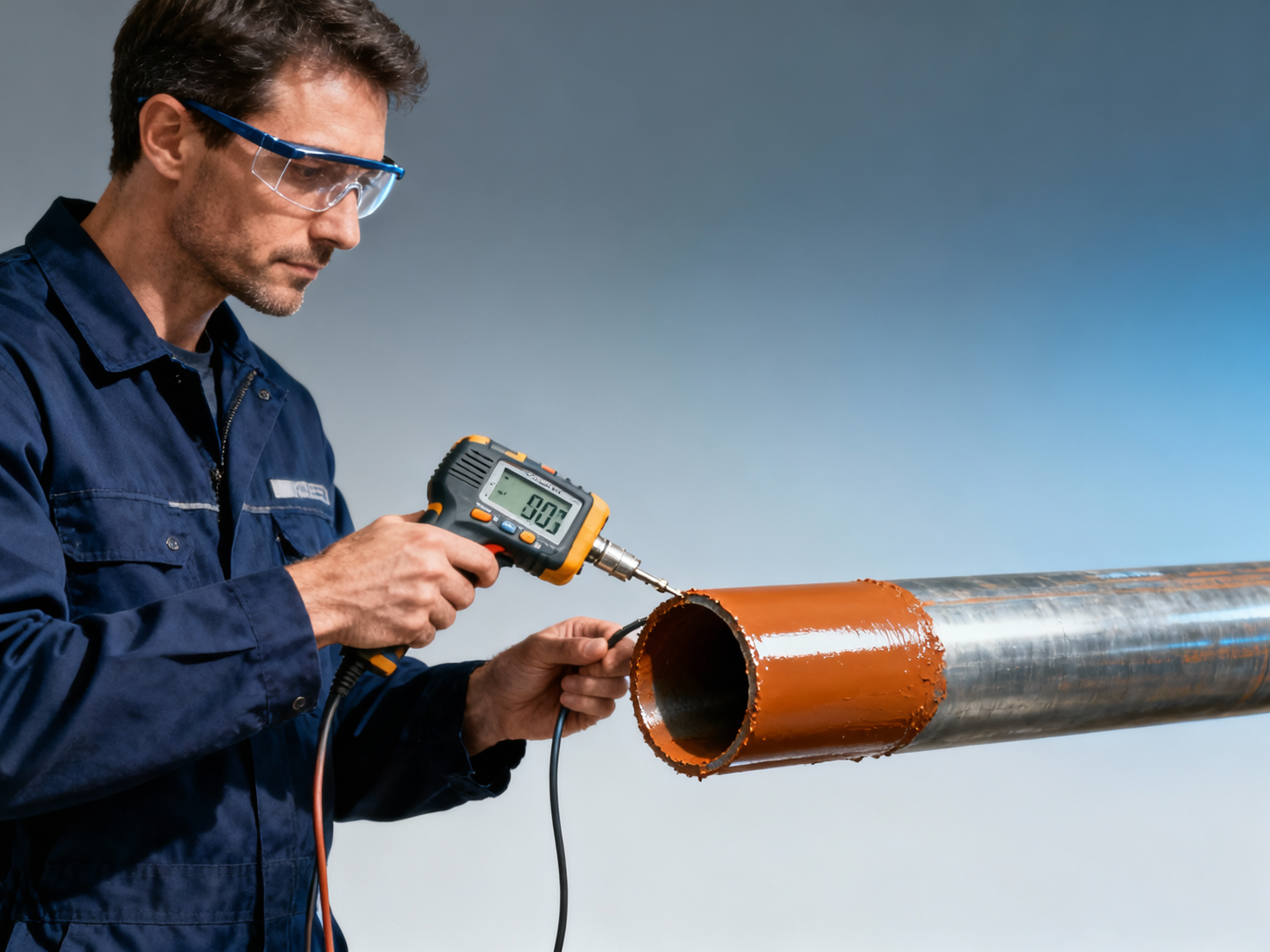
Plastic-coated steel pipe relies on metallurgical bonding between the base steel and polymer layer (typically FBE, PE, or 3LPE). When adhesion falls below 5–8 MPa—measured per ISO 2409 or ASTM D3359—the coating delaminates under thermal cycling, mechanical stress, or soil pressure. Field crews then face unplanned grinding, recoating, and hydrotesting—adding 7–15 days per kilometer of pipeline and inflating labor costs by up to 32%.
Procurement teams rarely test adhesion during incoming inspection. Instead, they rely on supplier-provided lab reports—often from non-representative coupons, not actual production spools. Real-world failure rates spike when coating is applied at ambient temperatures below 10°C or humidity above 85%, conditions common in Q1 and Q4 deliveries across North America and Northern Europe.
Smart buyers now mandate third-party adhesion verification on ≥3 randomly selected spools per batch—and require traceable environmental logs for every coating shift. This adds ~$120–$280 per order but prevents $18,000+ rework events per km in mid-pressure transmission lines.
The table above reflects industry-validated thresholds—not theoretical best practices. Procurement specs should cite exact test methods, pass/fail criteria, and sampling frequency—not vague language like “coating shall adhere well.” This eliminates ambiguity during dispute resolution and ensures consistent quality across multiple suppliers.
2. Specification Misalignment: The Change Order Engine
A 2023 survey of 87 infrastructure procurement managers found that 68% experienced ≥3 major specification-related change orders per project—averaging $217,000 each. Root causes included mismatched API 5L grade requirements (e.g., specifying X65 but receiving X52), incorrect wall thickness tolerance (±0.5mm vs. ±1.27mm), and unverified bend radius compliance for directional drilling applications.
Many buyers copy-paste specs from legacy projects without validating compatibility with current coating technology. For example, specifying 3LPE on pipes with mill-scale residue—common in low-cost Asian imports—guarantees interfacial corrosion. Similarly, omitting minimum cathodic disbondment resistance (≥15 mm after 30 days at 65°C per ISO 21809-2) invites premature coating failure in high-resistivity soils.
Proactive procurement teams now embed a “Specification Readiness Checklist” into their RFQ process. It includes 6 mandatory validation points: substrate cleanliness (Sa 2.5 per ISO 8501-1), surface profile (50–90 μm), coating thickness (min/max per ISO 21809), holiday detection voltage (100 V/μm), joint coating overlap (≥150 mm), and traceability documentation (heat number + coating batch ID).
3. Logistics Fragmentation: The Inventory Cost Multiplier
Plastic-coated pipe is bulky, weight-sensitive, and temperature-dependent. Yet 73% of buyers still source pipe and Valves from separate vendors—forcing double handling, cross-docking delays, and inconsistent packaging standards. A typical 20-km pipeline project incurs 11–18 extra transport legs when components are staged separately, increasing freight cost by 22–38% and extending site readiness by 2–4 weeks.
Worse, fragmented logistics often ignore coating protection requirements. Standard steel pipe cradles damage plastic layers; improper stacking exceeds 3-meter height limits; and open-air storage beyond 72 hours exposes coatings to UV degradation—reducing service life by up to 25 years in aggressive environments.
Leading procurement organizations now require integrated logistics clauses: vendor-managed inventory (VMI) at regional hubs, climate-controlled staging zones, and unified load plans validated via 3D simulation. Suppliers meeting all three criteria reduce landed cost by 14–19% and cut on-site assembly time by 31%.
These benchmarks reflect real-world data from 12 large-scale water and oil & gas projects completed between 2021–2024. They are not aspirational targets—they’re proven outcomes achievable through structured supplier collaboration and enforceable contractual KPIs.
4. Proven Mitigation Framework for Procurement Teams
Mitigating these three cost drivers requires a systematic approach—not isolated tactics. Top-performing procurement departments deploy this 4-phase framework:
- Phase 1 – Pre-Qualification Audit: Verify supplier’s coating line calibration records, adhesion testing capability (in-house or accredited 3PL), and logistics SOPs—including UV exposure logs and stacking protocols.
- Phase 2 – Spec Lockdown: Freeze technical specs 30 days pre-RFQ using a cross-functional review (engineering, QA, logistics) and reference ISO 21809-2, API RP 5LW, and EN 10217-2.
- Phase 3 – Dual Verification: Require both mill test reports AND independent lab verification on 100% of coating batches—cross-referenced to heat numbers.
- Phase 4 – Integrated Delivery: Mandate single-point responsibility for pipe, fittings, and Valves, with penalties for delay or damage exceeding agreed thresholds.
Teams applying all four phases report 44% fewer change orders, 29% shorter commissioning timelines, and 17% lower TCO over the asset lifecycle—without raising unit price.
5. Action Steps for Your Next Sourcing Cycle
Start small—but start now. In your next RFQ, insert these three enforceable clauses:
- “Adhesion strength must be verified per ISO 4624 on ≥3 production spools per 500-ton lot, with results submitted 72 hours prior to shipment.”
- “All coating parameters (thickness, holiday test voltage, bend radius) shall be certified against the exact pipe heat number—not generic batch certificates.”
- “Logistics plan must include UV shielding duration, max stack height (≤3 m), and shock sensor reporting—non-compliance voids acceptance.”
These are not negotiation points—they’re baseline expectations for any qualified supplier. Enforce them consistently, and you’ll convert hidden cost drivers into measurable procurement leverage.
Total project expense isn’t determined at the purchase order stage—it’s locked in during specification development, supplier selection, and logistics planning. By addressing coating adhesion, specification rigor, and supply chain integration as interdependent priorities—not isolated line items—procurement professionals gain control over true TCO. Ready to align your next plastic-coated steel pipe sourcing strategy with field-proven benchmarks? Contact our technical procurement team for a no-cost specification audit and supplier readiness assessment.
Can't find what you're looking for ?
Leave a Message we will call you back quickly!
Product Classification